
Chiropractor
Herniated Disc Treatment in Thane
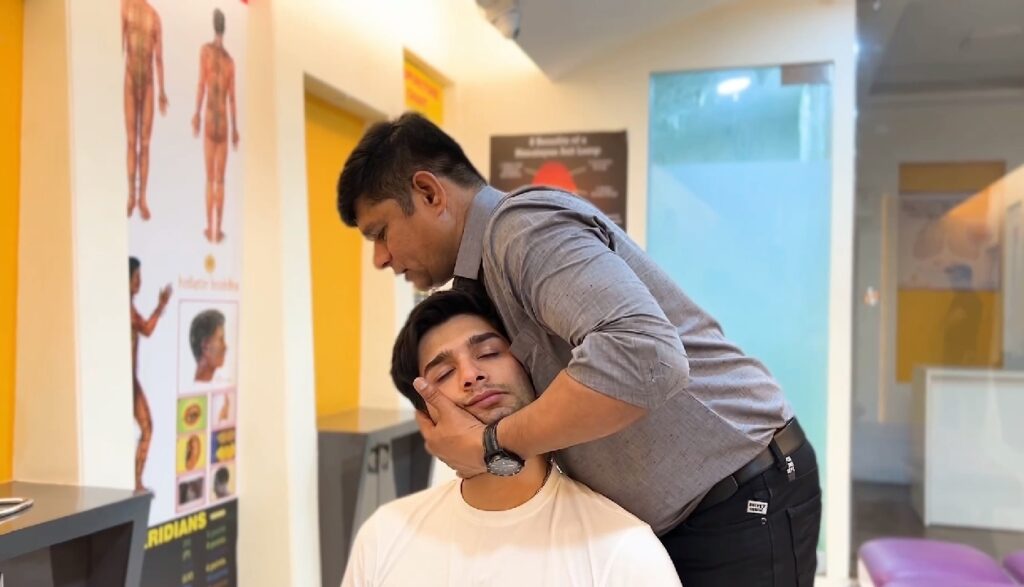
Services Offered By Dr. Ravi Shinde
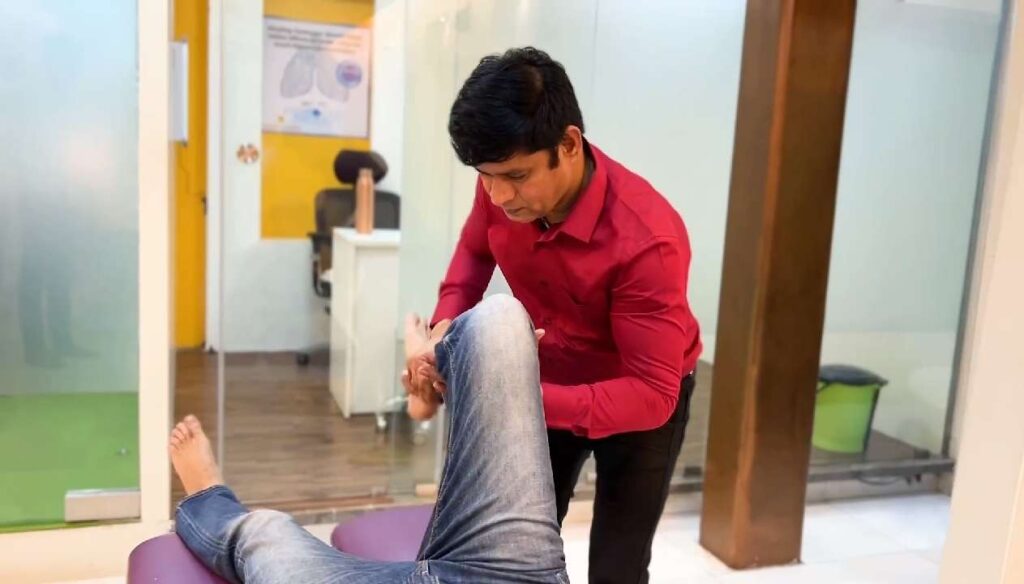
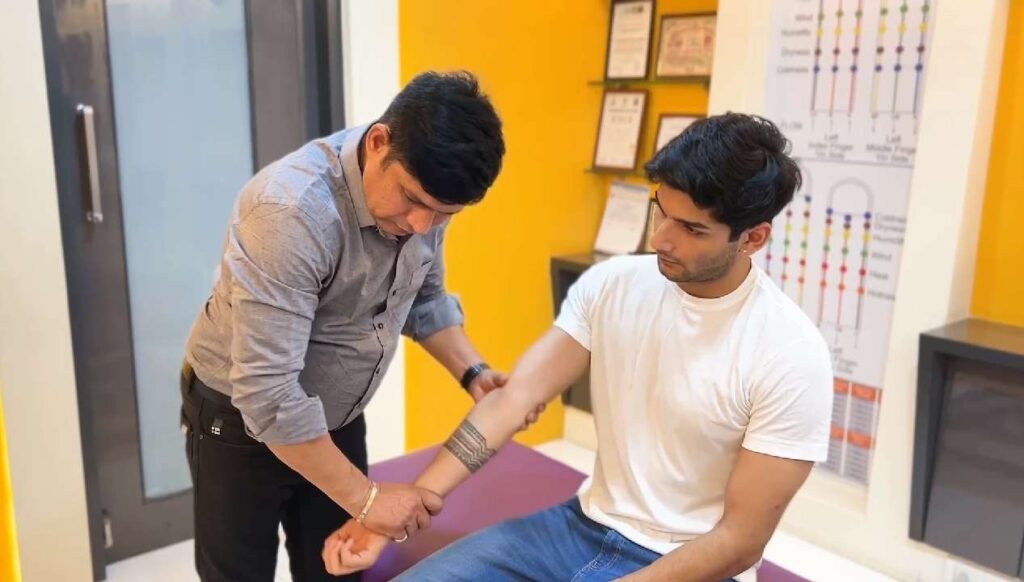
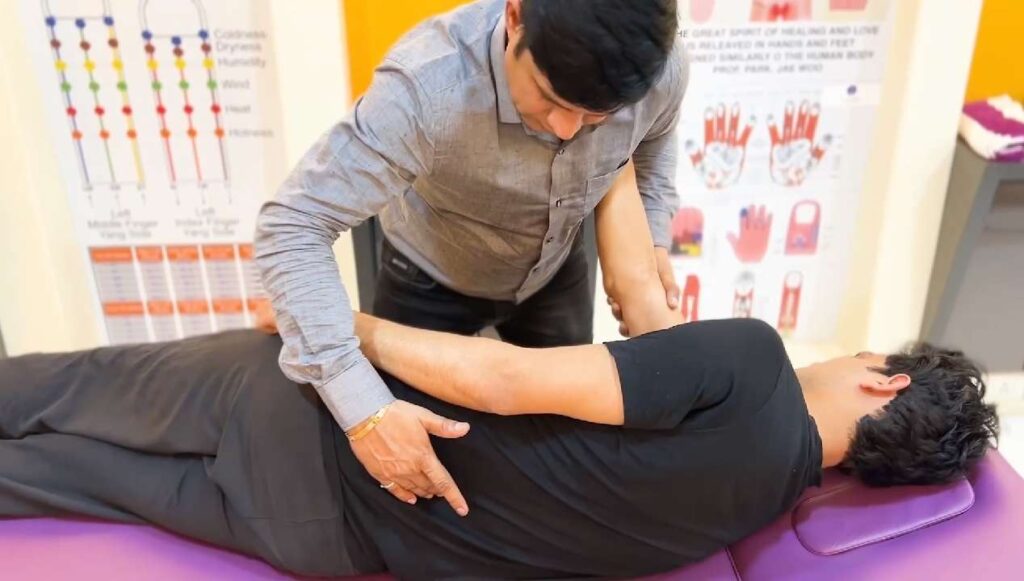


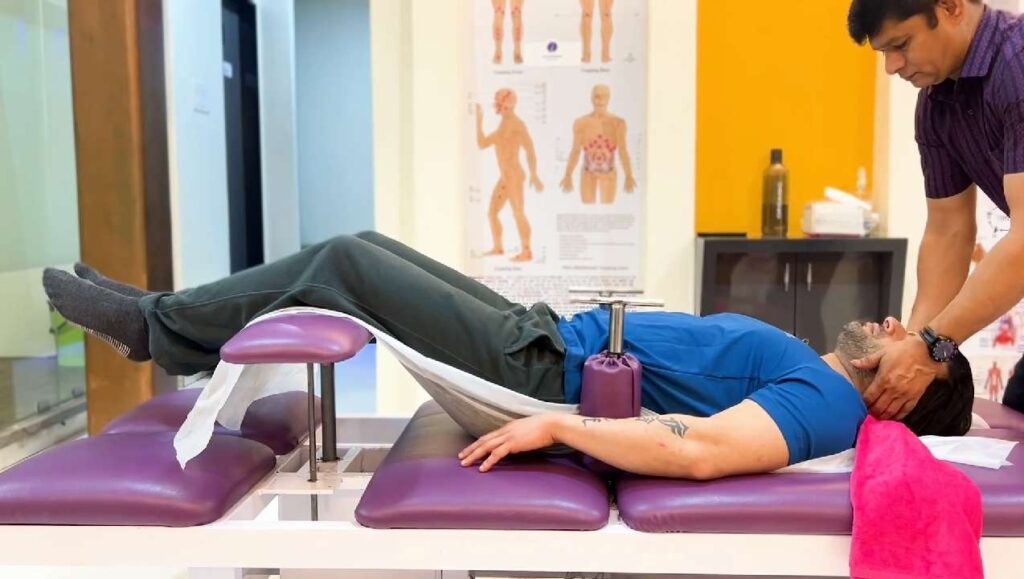
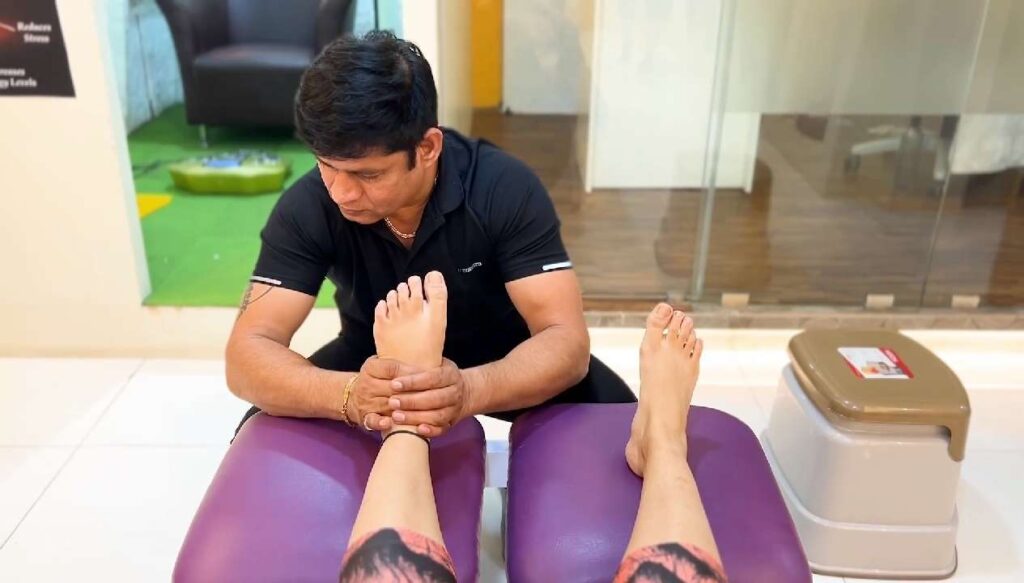
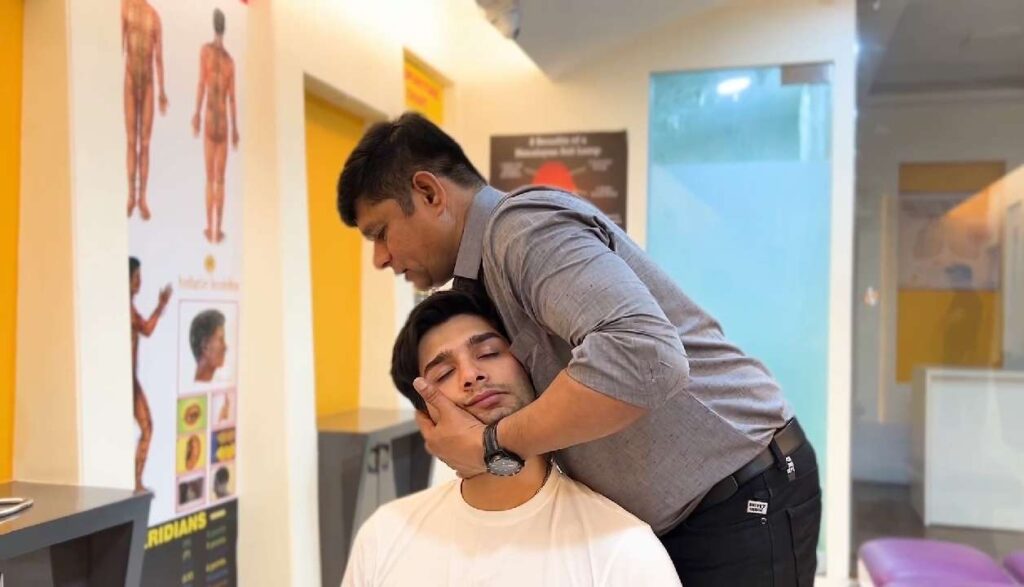
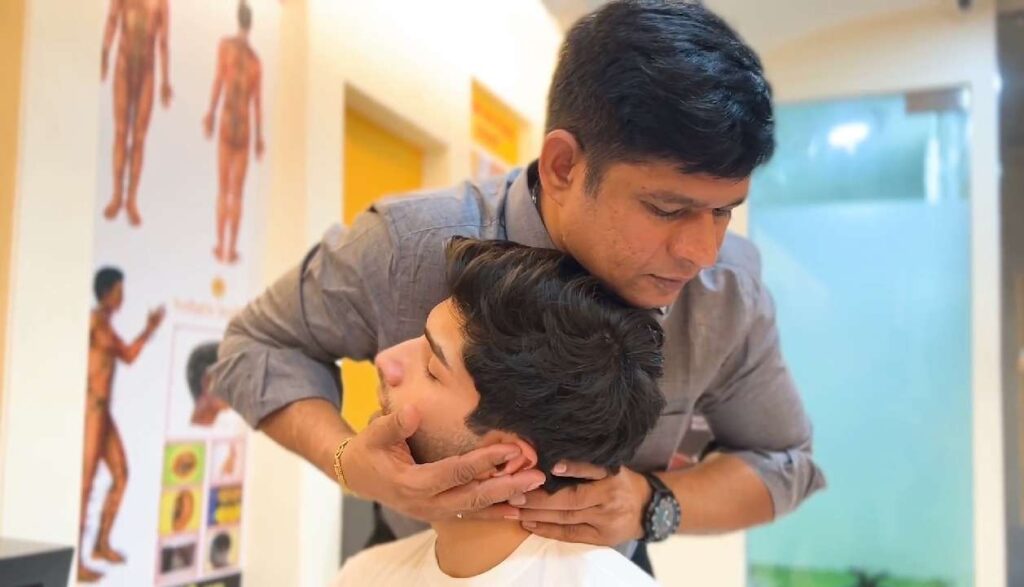
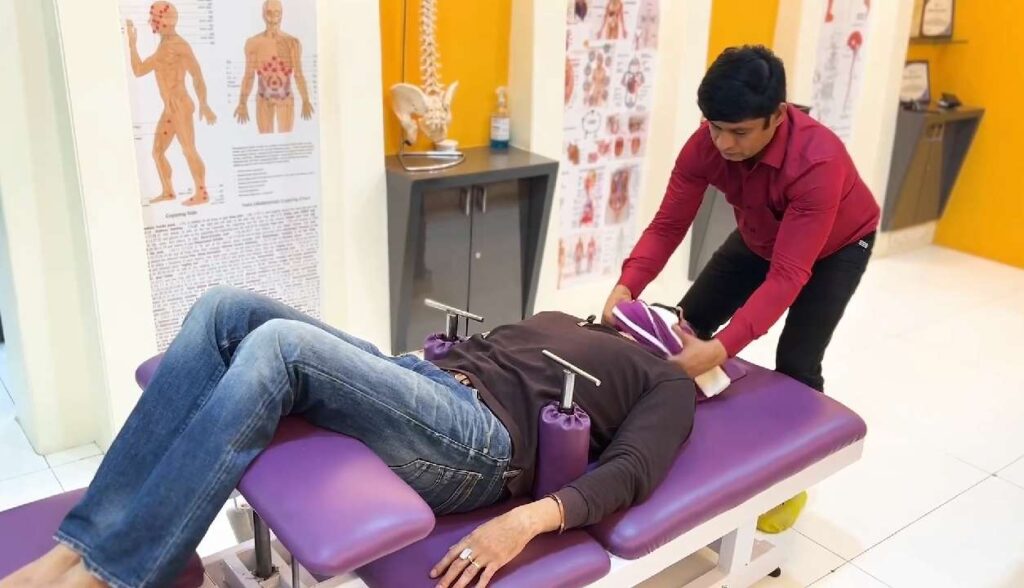

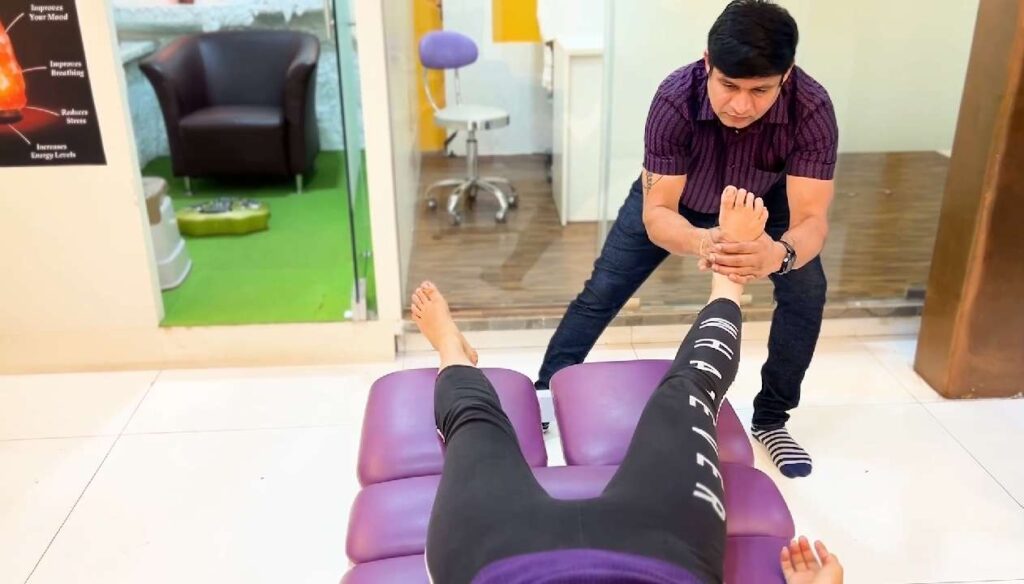
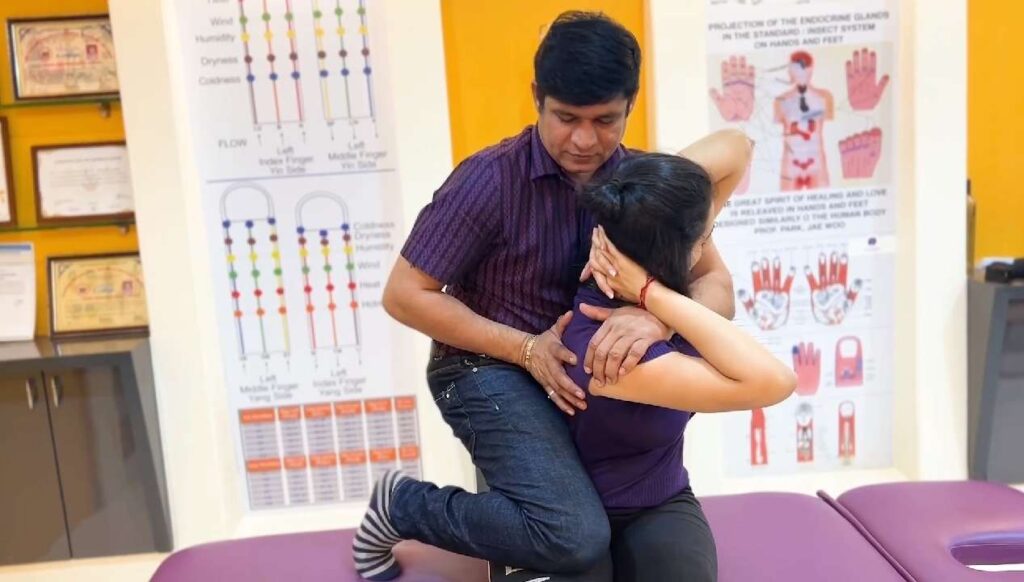
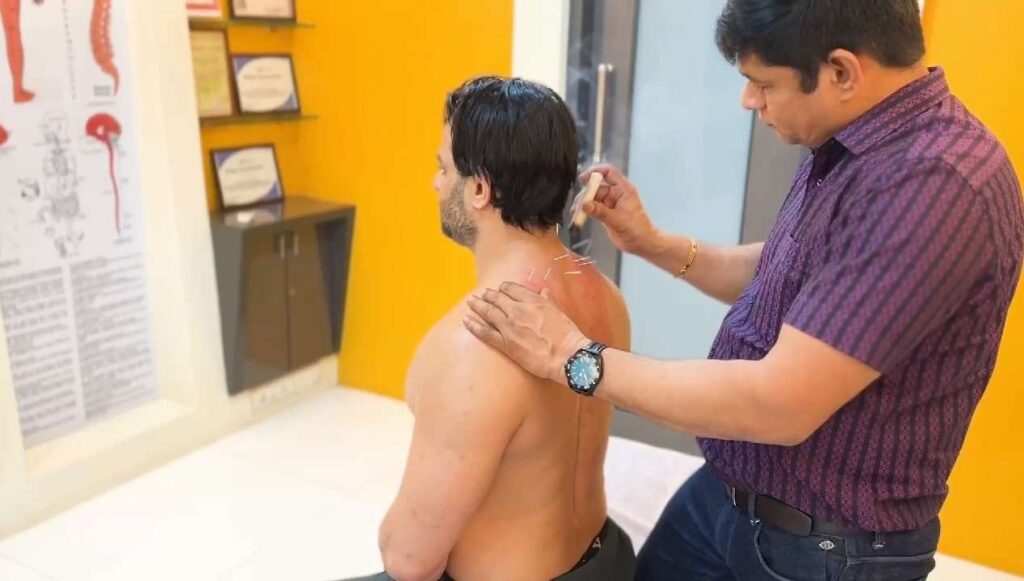
People Also Ask?
(FAQs About Herniated Disc Treatment)
1. How do I know if I have a herniated disc?
A herniated disc can cause back pain, numbness, tingling, or weakness in the affected area. If you experience persistent pain, difficulty walking, or loss of movement, it’s best to consult a specialist for an accurate diagnosis.
2. What are the treatment options for a herniated disc?
Treatment varies depending on severity. Non-surgical methods include physiotherapy, pain management, and lifestyle changes. In severe cases, minimally invasive procedures or surgery may be recommended.
3. Is surgery the only option for a herniated disc?
No, surgery is usually a last resort. Most patients recover with non-surgical treatments like physical therapy, spinal decompression, and medications. Surgery is recommended only if conservative treatments fail.
4. How long does recovery take after treatment?
Recovery time depends on the severity of the herniation and the treatment method. Non-surgical treatments may take a few weeks to months, while post-surgical recovery can take a few months with proper rehabilitation.
5. Can I prevent a herniated disc from happening again?
- Yes, by maintaining a healthy weight, practicing good posture, doing core-strengthening exercises, and avoiding heavy lifting or sudden movements, you can reduce the risk of recurrence.
Testimonials
Rohan Deshpande
I was struggling with lower back pain for months. The treatment at this clinic was excellent! The physiotherapy sessions and expert guidance helped me recover without surgery.”
Ayesha Khan
“I was skeptical about non-surgical treatments, but after just a few weeks of therapy, my pain significantly reduced. The doctors were patient and explained everything clearly. Highly recommend!”
Venkatesh Iyer
“I had severe nerve pain due to my herniated disc. The personalized treatment plan worked wonders, and I’m now pain-free! Thank you to the amazing team for their support.”
Meera Patel
“After consulting multiple specialists, I finally found the right place in Thane. The advanced treatments and professional approach helped me get back to my normal life quickly.”
Imran Shaikh
“The doctors here genuinely care about their patients. I felt comfortable throughout my treatment, and my back pain has almost disappeared. A big thank you to the entire team!”
Blogs Related To Herniated Disc Treatment
1. Herniated Disc: Signs You Shouldn’t Ignore and When to Seek Help
Introduction: Understanding Early Warning Signs
A herniated disc, also known as a slipped or ruptured disc, occurs when the soft inner portion of a spinal disc pushes through its outer layer. While some cases may not cause symptoms, others can lead to significant pain and discomfort. Recognizing the early signs is crucial for timely treatment and preventing long-term complications.
Main Body: Common Symptoms, Risk Factors, and Impact on Daily Life
Common Symptoms of a Herniated Disc:
Persistent back or neck pain
Numbness or tingling in arms or legs
Muscle weakness
Pain that worsens with movement
Difficulty standing or sitting for long periods
Risk Factors:
Aging: The spinal discs naturally degenerate over time.
Poor posture: Sitting for long hours with bad posture increases strain.
Heavy lifting: Improper lifting techniques can cause disc injury.
Obesity: Excess weight puts pressure on the spine.
Impact on Daily Life:
If left untreated, a herniated disc can affect mobility, productivity, and overall quality of life. Simple activities like bending, walking, or even sleeping can become painful.
Conclusion: Importance of Early Diagnosis and Treatment
Ignoring a herniated disc can lead to long-term nerve damage. If you experience persistent symptoms, consult a specialist immediately to explore non-surgical and surgical treatment options. Early intervention leads to faster recovery and a pain-free life.
2. Non-Surgical Treatment for Herniated Disc: Does It Really Work?
Introduction: Many People Fear Surgery—Are There Other Options?
One of the biggest concerns for people with a herniated disc is whether surgery is the only solution. The good news is that most cases can be managed without surgery through a combination of conservative treatments.
Main Body: Physiotherapy, Pain Management, Lifestyle Changes, Success Stories
1. Physiotherapy
Helps strengthen the spine and surrounding muscles.
Improves flexibility and reduces pain.
Common techniques include spinal decompression, stretching, and core exercises.
2. Pain Management
Over-the-counter medications (NSAIDs) can help relieve pain.
Epidural steroid injections may be used for severe cases.
3. Lifestyle Changes
Maintaining a healthy weight reduces pressure on the spine.
Proper posture while sitting and sleeping can prevent worsening of symptoms.
Low-impact exercises like swimming and yoga can aid recovery.
3. How to Strengthen Your Spine and Prevent Herniated Discs Naturally
Introduction: Why Spinal Health is Crucial
Your spine plays a vital role in supporting your body. Weak spinal muscles and poor posture can lead to disc problems, including herniation. Taking proactive steps to strengthen your spine can prevent future injuries.
Main Body: Exercises, Diet, Posture Tips, and Ergonomic Adjustments
1. Exercises to Strengthen Your Spine
Core strengthening exercises (planks, bridges) support the lower back.
Stretching routines (yoga, hamstring stretches) improve flexibility.
Low-impact cardio (walking, swimming) promotes spinal health.
2. Diet for a Healthy Spine
Calcium and vitamin D for bone strength.
Omega-3 fatty acids to reduce inflammation.
Hydration to maintain disc fluidity.
3. Posture Tips
Sit with your back straight and feet flat on the ground.
Avoid slouching when using a phone or laptop.
4. Ergonomic Adjustments
Use a chair with lumbar support.
Sleep on a medium-firm mattress to maintain spinal alignment.
Conclusion: Practical Steps to Protect Your Spine for Life
By incorporating these simple habits into your routine, you can maintain a strong and healthy spine, reducing the risk of herniated discs and other back problems.
4. Herniated Disc Surgery: What to Expect Before, During, and After
Introduction: When is Surgery Needed?
Surgery is recommended only in severe cases where conservative treatments fail. If symptoms worsen and impact daily life, surgery may be the best option for relief.
Main Body: Different Surgical Procedures, Risks, Benefits, Recovery Timeline
1. Types of Herniated Disc Surgery
Microdiscectomy: Minimally invasive removal of the herniated part of the disc.
Laminectomy: Removal of a small portion of the vertebra to relieve pressure.
Spinal Fusion: Used in severe cases to stabilize the spine.
2. Risks and Benefits
Benefits: Immediate pain relief, restored mobility.
Risks: Infection, nerve damage (though rare).
3. Recovery Timeline
Hospital stay: 1-2 days (or same-day discharge for minor procedures).
Light activities: Within a few weeks.
Full recovery: 3-6 months with physiotherapy.
Conclusion: Tips for Post-Surgery Care and Long-Term Spine Health
Following the surgeon’s advice, maintaining an active lifestyle, and attending physiotherapy sessions can speed up recovery and ensure long-term success after surgery.
5. Best Sleeping Positions for Herniated Disc Patients
Introduction: Poor Sleeping Posture Can Worsen Pain
A herniated disc can make sleeping uncomfortable, and poor posture can aggravate the condition. Adopting the right sleeping position can help reduce pain and promote healing.
Main Body: Recommended Sleep Positions, Best Mattresses, Do’s and Don’ts
1. Best Sleeping Positions
On your back with a pillow under the knees: Keeps the spine neutral.
Side sleeping with a pillow between the knees: Reduces strain on the lower back.
Fetal position: Can relieve pressure on the spine.
2. Worst Sleeping Positions to Avoid
Sleeping on the stomach: Puts excessive pressure on the spine.
Using too many pillows: Can misalign the neck and spine.
3. Choosing the Right Mattress
Medium-firm mattresses provide optimal support.
Memory foam helps align the spine properly.
Conclusion: How Improving Sleep Can Aid Recovery
By making small adjustments to your sleeping position and mattress choice, you can significantly reduce herniated disc pain and improve overall spinal health.
We Serve in Following Locations
Andheri
- Vertigo Treatment in Andheri West
- Tennis Elbow Treatment in Andheri West
- Osteopathy Treatment in Andheri West
- Nerve Pain Treatment in Andheri West
- Neck Pain Treatment in Andheri West
- Muscle Pain Treatment in Andheri West
- Migraine Treatment in Andheri West
- Lumbar Spondylosis Treatment in Andheri West
- Lordosis Treatment in Andheri West
- Knee Pain Treatment in Andheri West
- Herniated Disc Treatment in Andheri West
- Heel Pain Treatment in Andheri West
- Headache Treatment in Andheri West
- Frozen Shoulder Treatment in Andheri West
- Finger Pain Treatment in Andheri West
- Cervical Spondylosis Treatment in Andheri West
- Arthritis Treatment in Andheri West
- Ankle Pain Treatment in Andheri West
- Chiropractic Treatment in Andheri
- Back Pain Treatment in Andheri West
- Ankle Pain Treatment in Andheri
Thane
- Vertigo Treatment in Thane
- Tennis Elbow Treatment in Thane
- Slipped Disc Treatment in Thane
- Osteopathy Treatment in Thane
- Nerve Pain Treatment in Thane
- Neck Pain Treatment in Thane
- Muscle Pain treatment in Thane
- Migraine Treatment in Thane
- Lumbar Spondylosis Treatment in Thane
- Lordosis Treatment in Thane
- Knee Pain Treatment in Thane
- Herniated Disc Treatment in Thane
- Heel Pain Treatement in Thane
- Headache Treatment in Thane
- Frozen Shoulder Treatment in Thane
- Finger Pain Treatment in Thane
- Cervical Spondylosis Treatment in Thane
- Back Pain Treatment in Thane
- Arthritis Treatment in Thane
- Ankylosing Treatment in Thane
- Ankle Pain Treatment in Thane